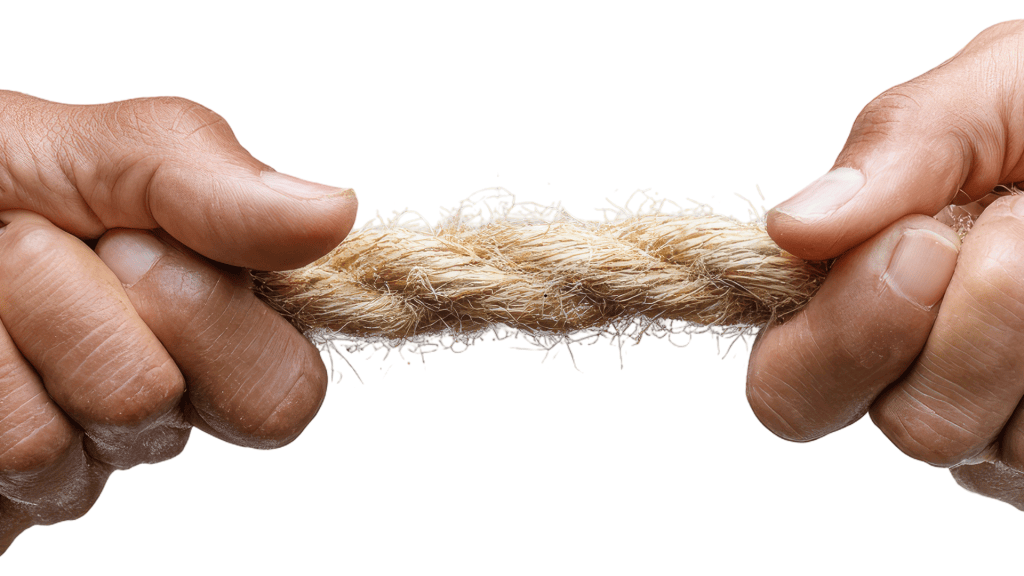
Sometimes saying no feels much harder than it sounds.
We may already be busy and tired, with so much to do, and yet we still say yes. For some of us, saying no can bring guilt, shame, or the fear that we’re letting someone down. We might worry that someone will be disappointed with us, think differently of us, or feel that we should have been able to help.
This can sometimes be described as people pleasing, putting other people’s needs or feelings ahead of our own.
Saying yes can become a way of keeping the peace, avoiding conflict, or making sure other people are okay. We become so used to thinking about what other people need that we stop checking in with what we need ourselves.
Over time, saying yes becomes a habit – even when it leaves us feeling stretched, resentful, or exhausted. When we keep saying yes when we really mean no, we can end up giving away time and energy we don’t have.
Sometimes the frustration isn’t really with the person who asked. It can be with us because we agreed when part of us wanted to say no.
Boundaries help us recognise what we are comfortable with, what we have the capacity for, and what we can realistically handle. A boundary is not about controlling someone else. It is about being clear about what is and isn’t okay for us.
They don’t have to be harsh or confrontational. A boundary might sound like, I can’t do that today, or I need some time before I answer.
Saying no when we mean no can help us protect our time and energy and make our yes feel more genuine when we choose to give it.
The first step is simply creating a little space before we answer.
Saying, “let me check and I’ll get back to you,’ can give us time to think about what we really have the capacity for.
Saying no doesn’t make us selfish. It can be a way of being honest about what we can give. When our yes is genuine, it feels different. Sometimes learning to say no begins simply by giving ourselves permission not to answer straight away.
Prefer to watch? You can view the video on YouTube.
If you would like to find out more about counselling with Mosaic Counselling, you can get in touch through the website.

